Google announced its first Wyoming data centre on November 5, describing the project as a long-term US$17 billion investment. The company named Tallgrass Energy, Black Hills Energy, American Electric Power and Related Digital as partners.
How Google plans to power the facility
Google says it will pay for the electricity it uses and cover infrastructure needs directly attributable to its growth. The plans include a 702 MW natural-gas fuel cell development through American Electric Power, with carbon capture and storage planned at Tallgrass’s nearby sequestration hub.
Google also plans to source electricity from gas generators operated by Tallgrass and Black Hills Energy. The data centre itself is planned to use air cooling.
Community oversight
Google and its partners say they are forming a Community Council to address local concerns about data centre growth in Cheyenne. The announcement describes proposed infrastructure and commitments; it does not report operating results for the facility.
Sources: Google’s Wyoming investment announcement
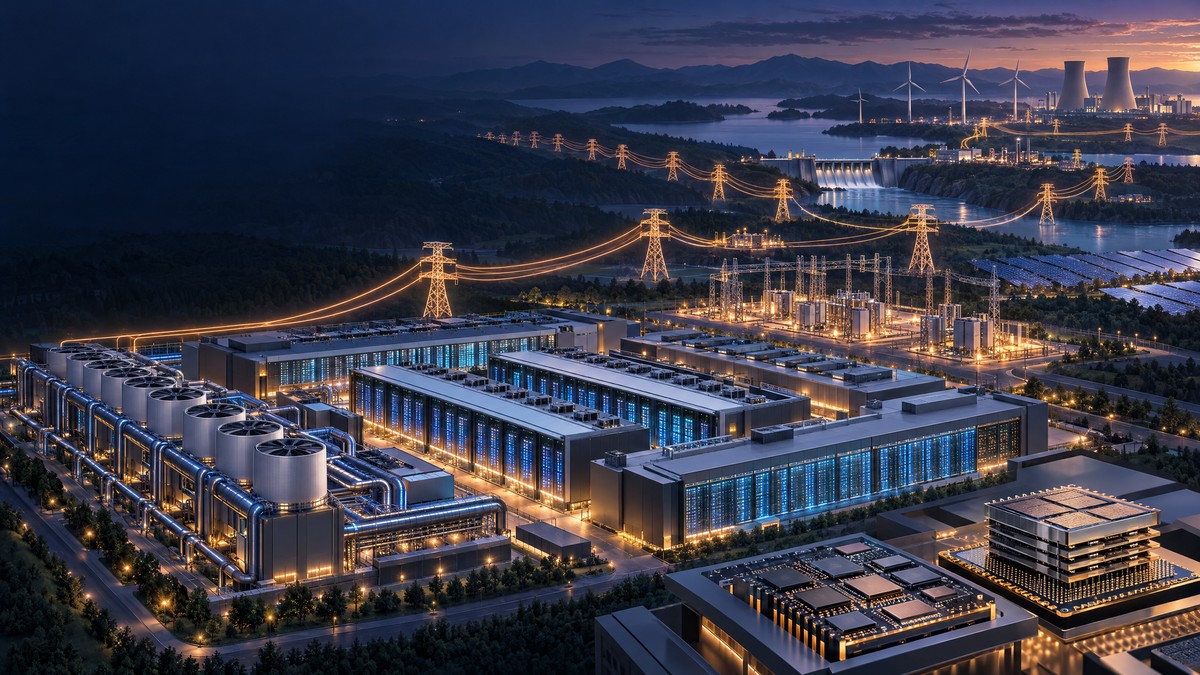
Feature image: AI-generated conceptual illustration for Guava Insights.